
You’re Not Losing Deals. You’re Losing Control.
Most B2B tech sales leaders don’t lose because they’re weaker. They lose because their revenue organization runs on assumptions, not architecture. Slow sales teams, rep-dependent pipelines, and gut-feel forecasting quietly drain revenue, time, and credibility every quarter. And the hardest part? These are not market problems. They are structural ones.
A solid B2B tech sales strategy is not a slide deck reviewed in January and forgotten by March. It is a structured system: one that diagnoses where deals are actually breaking down, builds competency at each sales stage, and reinforces performance through continuous coaching, so results compound over time.
You are not alone in this. It’s the exhausting realization most B2B leaders eventually face: effort is no longer the bottleneck in scaling up. Structure is.
That gap between effort and outcome, that’s where most teams get stuck. And it’s exactly what the TALSMART Revenue Execution System is built to close.
This guide is for sales and revenue leaders who are done firefighting every quarter and are ready to build a data-driven revenue engine with predictable pipelines, reliable YoY growth, and consistent execution, powered by live diagnostics and coaching that performs without depending on a few heroic reps.
What a B2B Tech Sales Strategy Actually Is (And What It Isn’t)
The phrase “sales strategy” has become a catch-all for everything from a new CRM rollout to a revamped commission structure. Neither is a strategy.
A B2B tech sales strategy is the deliberate architecture of how your revenue organization creates, advances, and closes pipelines repeatably, across every rep, not just the top performers.
It answers four foundational questions:
- Where in the deal cycle are we consistently losing, and why?
- What does good execution look like at each stage, and is it defined or assumed?
- How are we transferring winning behaviors from top performers to the rest of the team?
- What does the system look like when our best rep leaves?
If any of those answers are “we’re not sure” or “it depends on the rep,” the strategy has a structural gap, not a people problem.
Building a Scalable B2B Tech Sales Strategy: The Revenue Execution System Fix
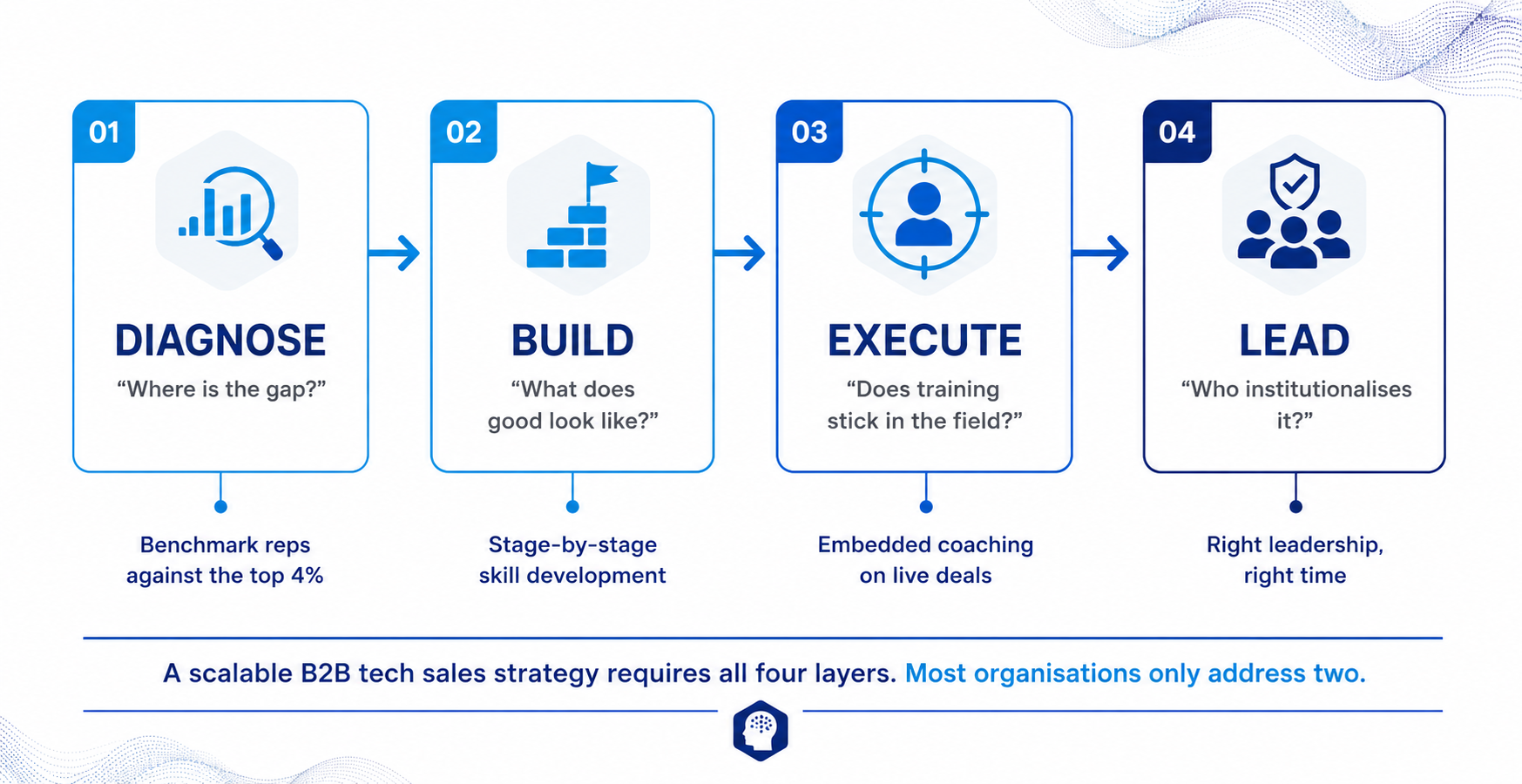
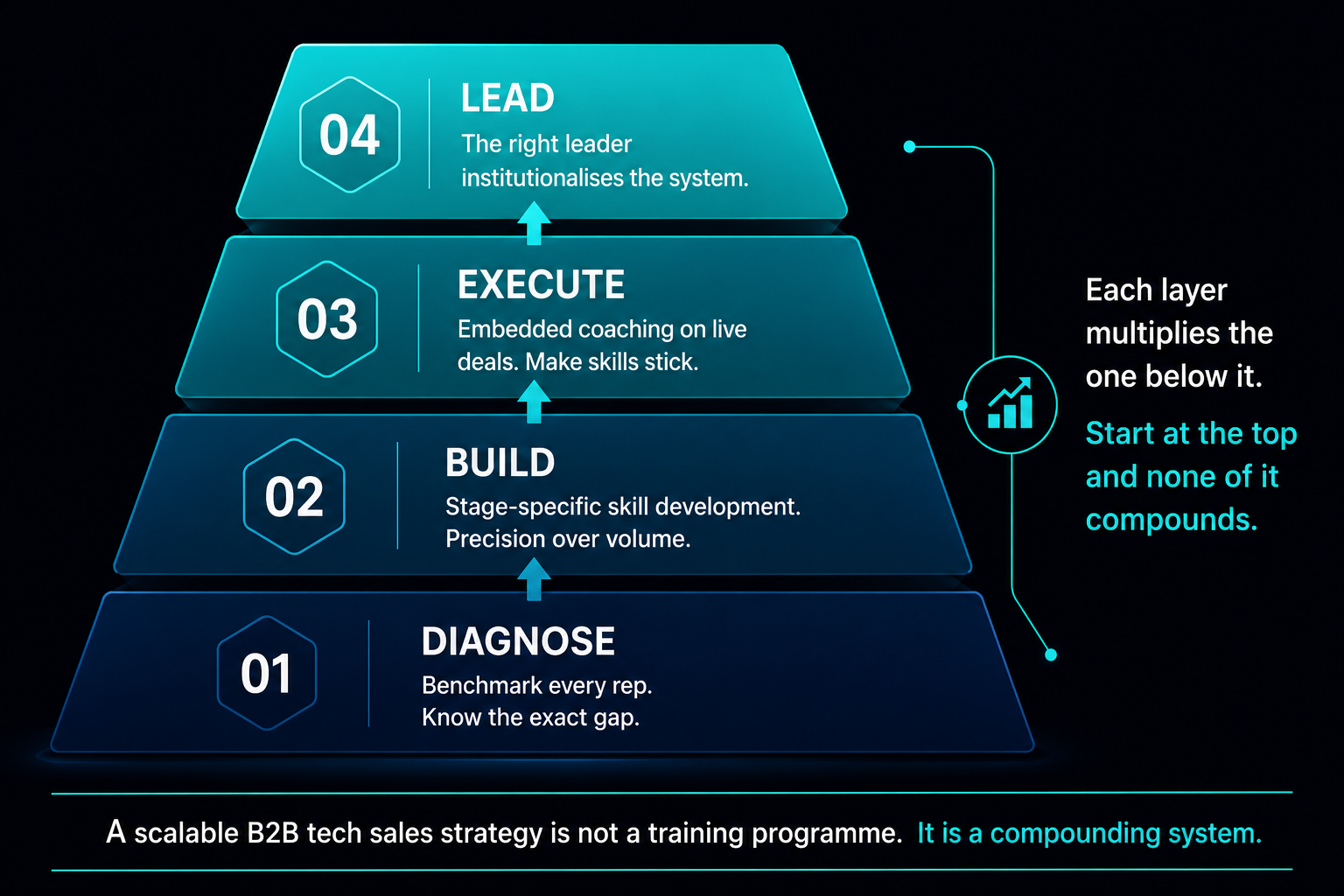
A scalable B2B tech sales strategy is not a methodology. It is a system that connects these four compounding layers:
- Diagnosis
- Skill Development
- Execution
- Leadership
Each layer makes the next more effective. Skipping one creates a ceiling.
TALSMART calls this the Unified Revenue Execution System, built exclusively for B2B tech companies navigating complex, multi-stakeholder, long-cycle enterprise deals. It runs in sequence: Diagnose, Build, Execute, Lead. Every layer is designed to compound on the one before it. Skip one and the system stalls.
Where Should You Start?
Start where your gap is greatest. Not every team needs the same entry point. The four layers below are designed to be entered at the point of your greatest constraint.
Layer 1: Diagnose Before You Build
Start here if you’re unclear where revenue is breaking down and need visibility across pipeline and team sales skills: Revenue-Gap Diagnostic
The starting point for any serious B2B tech sales strategy is knowing exactly where each rep sits across the full deal cycle, not based on quota attainment (a lagging indicator), but on the specific skills and behaviors that drive quota attainment.
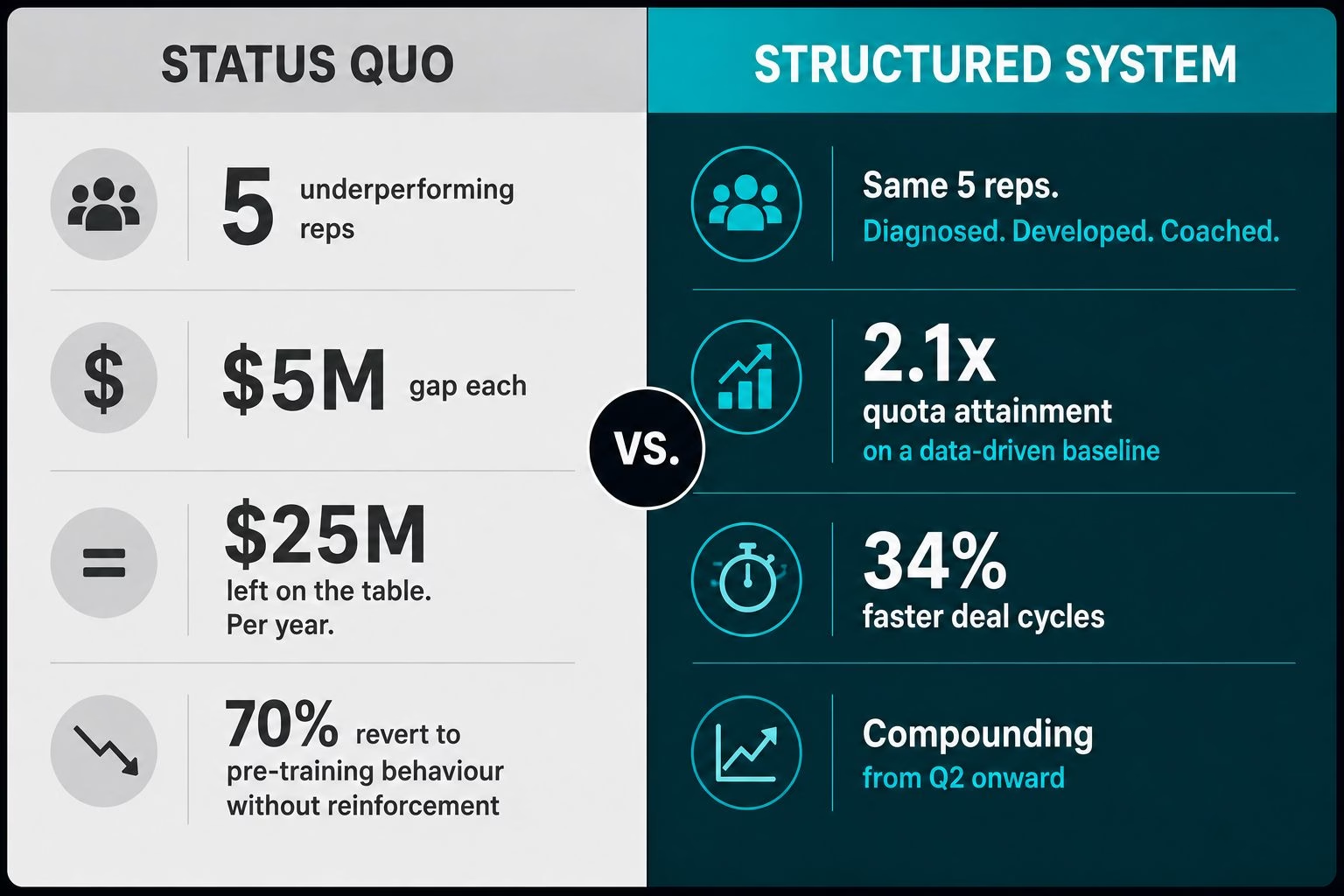
Organizations that build on a diagnostic baseline onboard reps 34% faster and achieve 2.1x higher quota attainment when coaching is driven by data rather than perception.
The question is not “who are our bottom performers?” It is “at which specific stage is each rep underperforming, and what precise gap is costing them?”
Revenue-Gap Diagnostic: Free. 10 min. Benchmarks your reps against the top 4% of B2B tech sales professionals.
Layer 2: Build Stage-Specific Competency
Choose this when your team needs foundational skill-building and consistent improvement in core selling ability: Tech Sales Mastery Program
Once the diagnostic is clear, development becomes precise. Instead of training the whole team on everything, you build the specific competency each rep is missing at the stage that is costing them deals.
Effective B2B tech sales training is not generic methodology layered on top of your product. It is stage-specific, deal-context-relevant, and built for the complexity of enterprise technology sales: multi-stakeholder environments, long cycles, procurement involvement, and technical validation requirements.
The difference between a rep who closes 18% and one who closes 31% in B2B tech is rarely effort. It is usually three or four specific skills across two stages of the deal cycle.
Layer 3: Embed Coaching Into Live Pipeline
Use this when skills exist but execution is inconsistent and you need deal-by-deal reinforcement in real time: Sales Execution Coaching
This is the layer most B2B tech sales organizations skip, and the one that determines whether training becomes behavior or becomes forgotten.
Embedded coaching is not a weekly 1:1 where managers review the CRM. It is a structured process where a coach works inside live deal reviews, call debriefs, and pipeline conversations to help reps apply what they have learned to real opportunities, in real time.
Avalara ran this model. The result: 34% faster deal cycles and quota attainment doubled within six months. Globant ran it across a vertical team. The pipeline grew 28% in 90 days.
The difference was not better slides or a new methodology. It was what happened after the training: in the field, on real deals, with consistent reinforcement. If your team has been through training but the behaviors have not stuck, this is the missing layer.
Layer 4: Put the Right Leader in the System
Bring this in when the system works but scaling is blocked by leadership gaps: Revenue Leadership Search
No revenue system scales without the right architecture at the top. A B2B tech sales strategy built on Layers 1 to 3 hits a ceiling the moment leadership cannot institutionalize what has been built.
This is not about finding a “great sales leader.” It is about finding the right leader for the stage the organization is at: someone who can take a structured system and make it the operating standard across every rep, every quarter.
Correct leadership placement produces an average of +41% revenue per rep within six months. Not because they bring magic. Because they bring the structural discipline to make everything else compound.
How Revenue Breaks Inside the Execution System: The 5 Sales Stages
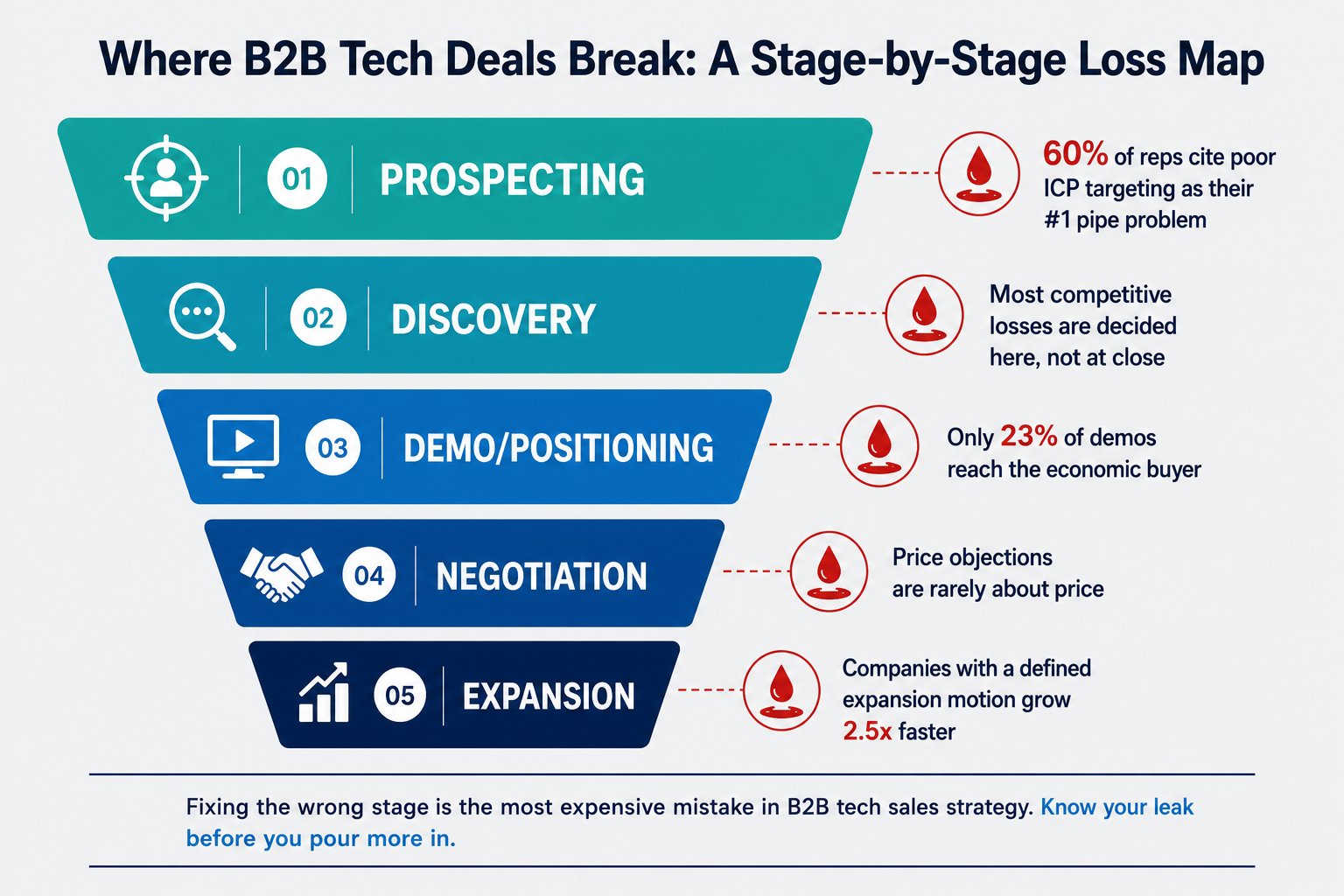
Once you understand the four layers of the Revenue Execution System, the next step is to go deeper into how revenue actually moves through the business. Every deal moves through the same five stages. When there is no system, each stage becomes a leak.
Before building a B2B tech sales strategy, you need to know which stage is costing you the most. Generic sales methodologies skip this step. They assume the problem is everywhere and train for everything, which is why 87% of training content is forgotten within 30 days. A structured approach maps the deal cycle in stages and identifies where conversion rates drop, deal velocity slows, or competitive losses cluster.
Stage 1: Prospecting Without Precision – Weak Pipeline
The first failure point in any B2B tech sales strategy is pipeline quality, not quantity. Teams confuse activity with progress. Reps send volume without precision, targeting the right title at the wrong organization, or engaging buyers who have no budget authority. This leads to wrong leads entering the pipeline: a pipeline contamination problem that compounds across every stage.
High-performing B2B tech sales teams build prospecting sequences that reflect the buyer’s world, not the product’s features.
Prospecting isn’t selling, it’s opening doors. It’s not persuasion; it’s qualification. Filter signal from noise, and double down on real buyers. The quicker you disqualify, the faster your pipeline gets stronger.
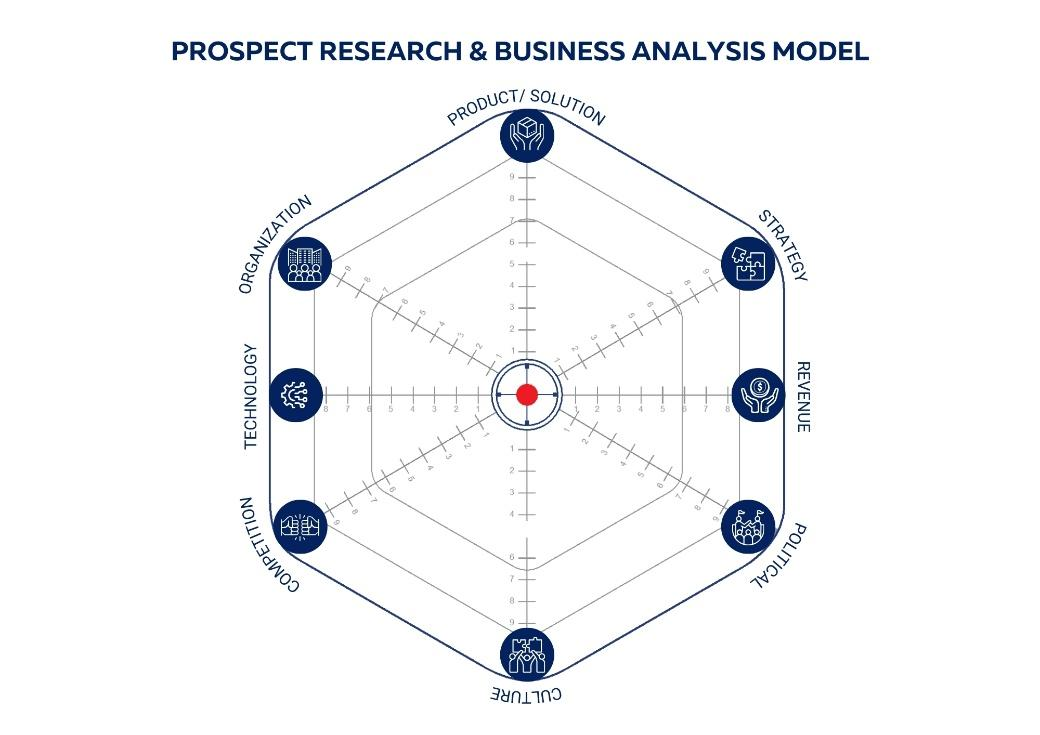
TALSMART Framework
TALSMART’s Prospect Research and Business Analysis Model systemizes prospecting for the entire team across eight critical business dimensions, not just surface-level fit. When consistently scored, it sharpens targeting, eliminates low-quality opportunities early, and builds a pipeline filled with high-intent, high-probability deals.
If your team is busy but pipeline feels fragile → your system is broken at the top.
Stage 2: Discovery and Qualification Without Depth – Deals that Stall
Discovery is where most B2B tech deals are won or lost, before a single demo is given. Poor discovery leads to proposals built on assumptions, demos aimed at the wrong stakeholder, and deals that go quiet after an enthusiastic first call.
A B2B tech sales strategy that treats discovery as a checkbox will keep losing to competitors who understand what the buyer is actually trying to change inside their organization.
Misqualify a $1M opportunity and you don’t just waste time: you burn 4 to 5x the effort, pull in more internal teams, and lose $40,000 to $50,000 in internal resource costs, with zero return. Misqualified leads aren’t a delay; they’re a costly, avoidable mistake.
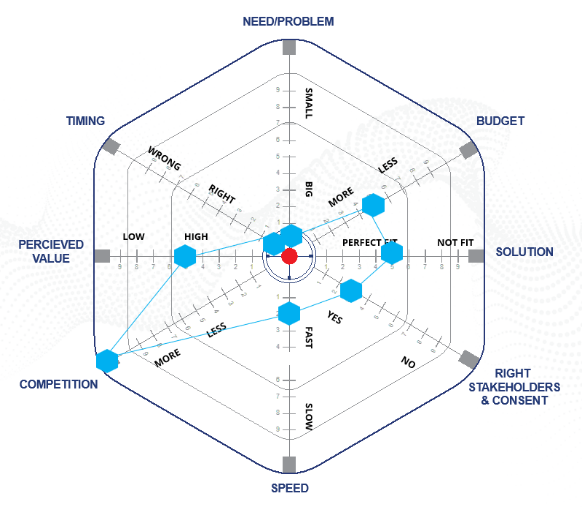
TALSMART Framework
Effective qualification in B2B tech goes beyond BANT. TALSMART’s BANT-PR adds the buyer’s process and risk analysis to structure qualification conversations. Paired with the Lead Quality Analysis Model, it creates a sharp two-phase filter that exposes real opportunities and cuts the rest fast. It identifies the commercial pain behind the technical requirement, the internal champion’s political capital, the consequence of doing nothing, and who else will influence the decision.
If your deals lose momentum after early traction → your system is failing in qualification.
Stage 3: Solution Positioning and Demonstration Without Commercial Clarity – Lost Deals
In complex B2B tech sales, the demo is not a product tour. It is a commercial narrative. Reps who lead with features lose to reps who lead with outcomes.
The most common breakdown here: solutions are positioned to the technical buyer, not the economic buyer. The person approving the budget needs a different conversation than the person evaluating the integration. A scalable B2B tech sales strategy defines what “great positioning” looks like at this stage, and makes it repeatable, not dependent on individual talent.
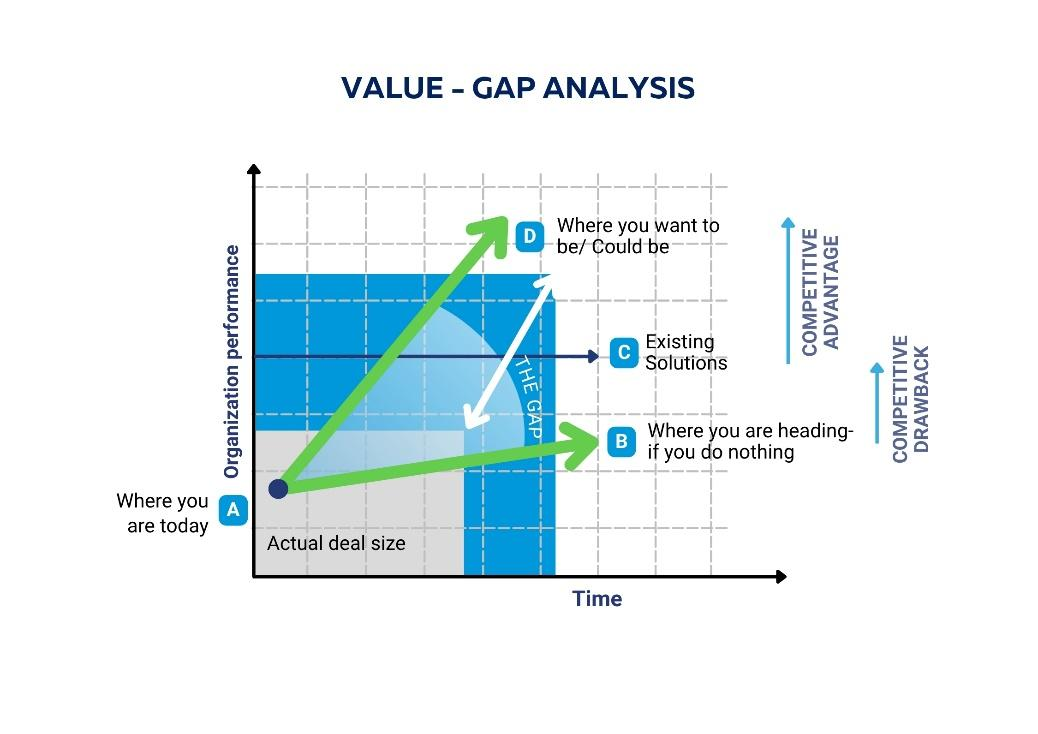
TALSMART Framework
TALSMART’s Value-Gap Analysis helps you clearly articulate your Unique Selling Proposition so you stop blending in and start winning deals on a defined competitive advantage. It’s not enough to have an advantage; you must effectively communicate the unique value that moves buyers beyond ‘B’ and ‘C’, directly to ‘D’.
If you’re losing deals you should win → your system is weak in positioning.
Stage 4: Negotiation and Commercials Without Value Anchoring – Margin Erosion
Price resistance in B2B tech is almost never about price. It is about perceived risk. When procurement pushes back on cost, it usually signals that the business case was not strong enough earlier in the deal.
B2B tech sales strategies that address negotiation in isolation miss the point. By Stage 4, the work should already be done: the value anchored, the internal champion armed, the alternatives made uncomfortable. This is the cost of an assumption-driven revenue engine: deals that should close cleanly get stuck in commercial friction because discovery was shallow and the value case was never properly built.

TALSMART Framework
TALSMART’s Negotiation Outcomes Model makes it non-negotiable: every deal lands on a grid, and top performers drive relentlessly to the win-win zone. Win-win doesn’t happen by default. You earn it by expanding deal size or amplifying perceived value. When you compete or collaborate, you’re driving value. If you avoid or accommodate, you’re leaving money on the table.
If deals get stuck in commercial friction → it’s a value construction failure.
Stage 5: Closing Without Expansion – Restarting Revenue Every Quarter
In enterprise B2B tech, the close is not the end: it is the beginning of the revenue relationship. Teams focused exclusively on new logo acquisition leave significant revenue in accounts they already own.
A complete B2B tech sales strategy includes a defined expansion motion: when to introduce it, who owns it, and how it is tracked. Without this system, revenue stalls after the first deal, accounts remain under-leveraged, and growth depends on constantly generating new pipeline. You are not compounding revenue; you are rebuilding it every quarter.
If growth feels like constant pressure → your system is missing the expansion layer.
Not Sure Which Stage Is Costing You the Most?
The Revenue-Gap Diagnostic maps exactly where your team is losing across all five deal stages and benchmarks them against the top 4% of B2B tech sales professionals.
Get Instant Report.
The Real Reason B2B Tech Sales Teams Don’t Scale
You have probably watched it happen: a great quarter followed by a shaky one. A new hire who performs well until the rep who trained them leaves. A forecast that looks healthy until two reps hit a rough patch simultaneously.
Most B2B tech sales leaders know what their best rep does. The problem is they cannot transfer it. Top performer behavior lives in their head, not in the system. When that rep moves on, the revenue moves with them. A revenue engine dependent on a few reps is not a sales team. It is a liability.
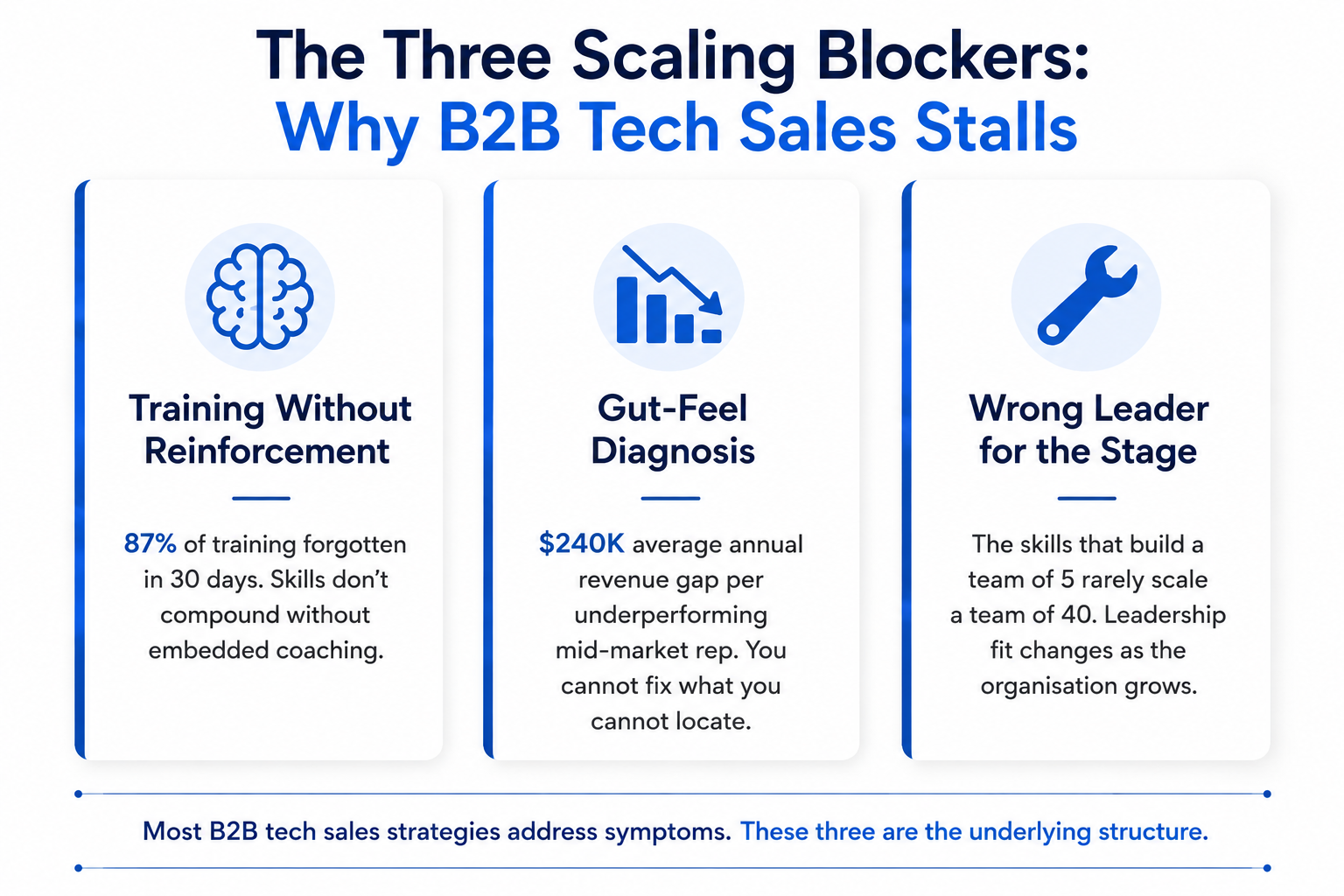
Three structural reasons B2B tech sales teams stall at scale:
1. Training Without Reinforcement
CSO Insights found that coaching delivers 3x higher ROI than training alone. Yet most B2B tech organisations run annual or quarterly training events and expect durable behavior change. 70% of reps revert to pre-training behavior within 90 days without ongoing reinforcement.
Training tells reps what good looks like. Coaching makes them do it under pressure, on live deals, until it becomes instinct.
2. Diagnosis by Gut Feel, Not Data
Most sales leaders know they have a performance problem. Few know exactly where. Without a benchmark that shows precisely where each rep sits across each stage of the deal cycle, coaching and development spend is guesswork.
The result: high performers get less attention because they need it less, mid performers get generic development, and low performers get managed out before anyone understands why they were struggling.
3. The Wrong Leader at the Wrong Stage
A sales leader who is brilliant at building a 5-person founding team is often a liability at 40 reps. The skills that work in scrappy, intuition-driven selling environments break down when structure, process, and cross-functional coordination become the priority.
Many B2B tech companies plateau not because the product stopped selling, but because the revenue organisation outgrew its leadership architecture before anyone noticed. The system that got you here is the exact thing preventing you from getting to the next stage.
What Good Looks Like: The Performance Benchmarks Worth Chasing
B2B tech sales leaders often set targets by incrementing last year’s number. That is not a strategy. It is optimism with a spreadsheet. Benchmarks worth orienting your B2B tech sales strategy around:
| Metric | Average B2B Tech Team | Top 4% B2B Tech Teams |
|---|---|---|
| Quota attainment (% of reps hitting) | 42% to 47% | 72% to 78% |
| Win rate (contested deals) | 18% to 22% | 34% to 40% |
| Average ramp time (new hire) | 6 to 9 months | 3 to 5 months |
| Deal cycle length | Baseline | 34% faster |
| Revenue per rep (year-over-year) | Flat or +8% | +41% with correct leadership |
The gap between average and top 4% is not talent. It is structure. The top-performing B2B tech sales organisations have a system that produces those numbers with their current people, and continues producing them as new people join.
The Mistakes Most B2B Tech Sales Strategies Make
Before closing this guide, here are the patterns worth avoiding: not because they are obvious, but because they are the ones sales leaders repeat quarter after quarter believing they will work this time.
Mistake 1: Mistaking Activity for Pipeline
More calls, more emails, more demos: metrics that measure effort, not direction. A B2B tech sales strategy built on activity metrics will produce busy teams with thin pipeline.
Mistake 2: Over-Indexing on the Top 20%
High performers are important. They are also the least in need of your attention. A scalable B2B tech sales strategy focuses on moving the middle: the 60% of reps who have the potential to perform at a significantly higher level with the right development and coaching.
Mistake 3: Buying a Methodology Instead of Building a System
MEDDIC, Challenger, SPIN: each has genuine value. None of them is a B2B tech sales strategy by itself. A methodology is a framework. A strategy is what you do with it: how you reinforce it, how you measure it, and who leads it.
Mistake 4: Waiting for the Right Quarter to Invest in Structure
There is no right quarter. There is only the compounding cost of another quarter without it. At $5M average annual revenue gap per underperforming mid-market rep, a team with five underperforming reps is leaving $25M on the table every year while the strategy meeting is being rescheduled.
There is no CEO or sales leader who regrets building structure early. There are many who regret waiting.
Summary: The B2B Tech Sales Strategy Checklist
A complete, scalable B2B tech sales strategy covers these foundations:
- A diagnostic baseline: you know exactly where each rep is losing at each stage
- Stage-specific competency development: not generic methodology, but precision training
- Embedded reinforcement: coaching on live deals, not in classrooms
- A defined expansion motion: new logo is not the only revenue source
- Leadership aligned to the stage of growth: the system needs the right person at the top
- Benchmarks, not just targets: measuring against what is possible, not just last year
Where to Start
If you are a CEO or head of sales reading this and the recognition is uncomfortable, that is a useful signal, not a failure. The gap between knowing and acting is where most revenue is lost.
Most B2B tech sales leaders we work with do not begin with a training programme. They begin by knowing precisely which stage, which skills, and which reps are the priority. The Revenue-Gap Diagnostic benchmarks your reps across all five stages of the deal cycle against the top 4% of B2B tech sales professionals. It takes 10 minutes. Get Instant Report.
Start the Revenue-Gap Diagnostic
A map of where your team actually stands, before you decide what to build next. Free. No pitch call attached.
Free | 10 min | Get Instant Report | No sales call required
TALSMART is a global revenue execution partner for B2B tech companies, operating across 109 countries and 23 languages. The Revenue Execution System: Diagnose, Build, Execute, Lead, is built exclusively for the complexity of enterprise technology sales.